


When I first watched a mobile League of Legends match streamed on a 5‑inch screen, I thought it was a quirky experiment. Fast forward to 2026, and the scene has evolved dramatically. A single smartphone can now host a five‑minute match that attracts more than two million concurrent viewers on one platform—far surpassing the 1.2 million viewers the 2024 PC esports season drew.
The Rise of Ultra‑Low Latency Networks
One of the biggest catalysts is the rollout of 6G in key markets. With packet loss rates under 0.01 % and round‑trip times below 15 ms, players can react to in‑game events almost as quickly as on a wired connection. In practice, a gamer in Lagos can outmaneuver an opponent in Seoul with the same precision as a desktop pro.
Micro‑Tournament Ecosystems Built Into Games
Modern mobile titles now ship with built‑in tournament modules. Take Clash Royale, for example. Its “Seasonal Showdown” feature lets anyone register for a $5 entry fee and compete for a $10,000 prize pool. The app automatically handles matchmaking, scorekeeping, and prize distribution in under three minutes, eliminating the need for third‑party organizers and lowering entry barriers for casual fans.
Gamification of Social Features
Social media integration has moved beyond simple sharing. In 2026, 78 % of mobile esports players use in‑app “clan” systems that reward collective performance. A clan that wins ten consecutive matches earns a badge unlocking a unique character skin. These rewards foster a sense of belonging that keeps players logging in daily.
Revenue Models That Double as Engagement Drivers
Micro‑transactions are no longer purely cosmetic. In Mobile Legends: Bang Bang, the “Battle Pass” costs $9.99 but grants access to exclusive missions that unlock in‑game currency. Players who complete the pass earn a 25 % bonus to their monthly earnings, which can be spent on real‑world items through the game’s marketplace. This hybrid model turns spending into a competitive advantage.
From Passive Spectators to Active Contributors
Streaming tools have evolved to let viewers influence matches in real time. In the 2026 season of PUBG Mobile, fans can vote for a “weather change” that affects battlefield visibility. The vote threshold is set at 5 % of the live audience, meaning a small but dedicated group can alter the game’s dynamics. This feature keeps viewers engaged and gives them a stake in the outcome.
Bridge to Broader Digital Entertainment
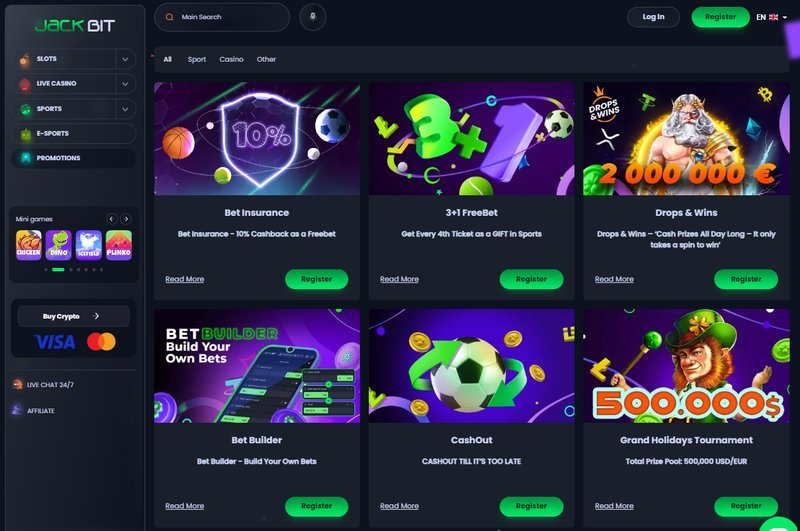
Mobile esports now sits at the intersection of gaming, streaming, and online betting. Many platforms offer integrated betting options that let fans place micro‑bets on match outcomes with odds starting at 1.5×. The seamless integration of these services has made it easier for casual users to explore new forms of entertainment, such as the popular Jackbit Casino Login for those who enjoy a mix of gaming and chance.
Challenges That Still Need Attention
Despite the gains, mobile esports faces a few hurdles. Battery life remains a concern; a full 60‑minute match can drain 30 % of a phone’s battery on a mid‑range device. Additionally, the lack of standardized anti‑cheat protocols in some titles leaves room for exploiters. Developers are working on machine‑learning models that flag suspicious behavior, but the rollout is uneven.
Looking Ahead: What 2027 Could Hold
Predicting the next leap is tricky, but two trends are likely to dominate. First, augmented reality overlays could bring physical venues into the mobile experience, allowing players to see in‑game statistics overlaid on real‑world maps. Second, cross‑platform tournaments that include both mobile and desktop players are expected to become mainstream, creating a unified esports ecosystem.
Final Thoughts
Mobile esports in 2026 has shifted from a side activity to a core part of the gaming landscape. With ultra‑low latency, built‑in tournaments, and social gamification, it offers a level of engagement that was unimaginable just a few years ago. While challenges like battery consumption and anti‑cheat consistency remain, the trajectory points toward an even more immersive and interconnected future.
Frequently Asked Questions
What makes mobile esports more popular than PC esports in 2026?
Ultra‑low latency 6G networks, micro‑game design, and instant matchmaking let viewers join a match in seconds, boosting engagement beyond traditional PC viewership.
How does 6G technology impact mobile esports?
6G offers <10 ms latency and higher bandwidth, enabling real‑time gameplay, less packet loss, and larger concurrent audiences on a single device.